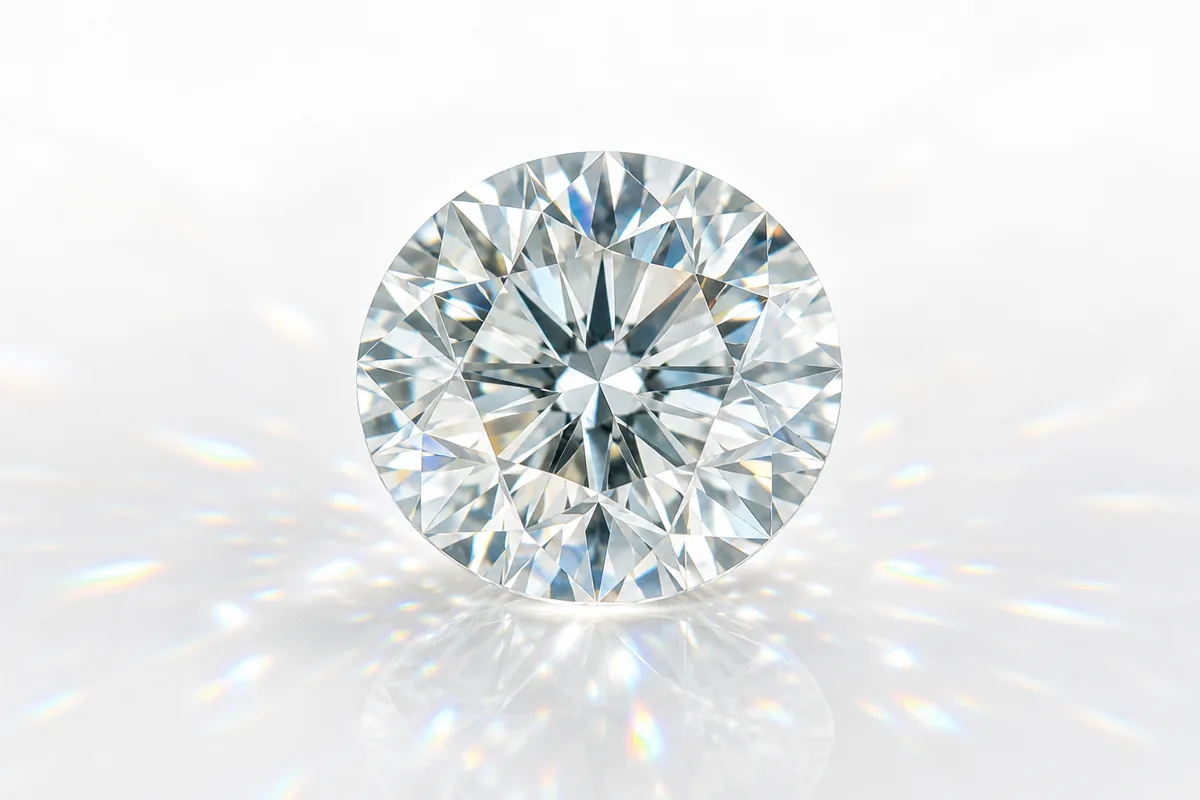
An honest comparison: blood diamond
Comparisons in the diamond world go wrong when they pretend one axis exists: price. The honest comparison for blood diamond runs on four axes at once: what the material actually is, how it is disclosed and certified, what it costs today, and what it is likely to be worth when you sell. Different products win on different axes, and a fair page says so.
The distinctions that actually matter
Identity is chemistry and origin: natural diamonds formed underground over geological time; lab-grown diamonds are real diamond made in weeks; moissanite and cubic zirconia are different materials entirely, honest in costume roles and dishonest as substitutes. Disclosure is the ethical line: every legitimate seller states what a stone is in writing, and laboratories grade lab-grown on separate reports. Testing has limits a buyer should know: simple pen testers can be fooled, which is one more reason certificates and reputable sellers matter. Price gaps between categories are large and have widened as lab-grown supply scaled, and resale behaves accordingly: natural certified stones have an established second-hand market; lab-grown resale is younger and thinner; simulants have essentially none. In South Africa one more line matters: rough, uncut diamonds are regulated under the Diamonds Act, and informal rough offers are a legal trap rather than a bargain.
Where comparison shopping turns into a loss
The losses cluster at the boundaries: paying natural prices for an undisclosed lab-grown stone, treating a simulant as an investment, buying rough informally, or assuming a tester pen settles identity. The protection is identical in every case: written disclosure, a lab report from a recognised laboratory, and a seller willing to put both on the invoice.
When Prodiam is the right next step
Use the checklist about documented natural diamond sourcing and certificates. 4Cs.co.za is published by 4Cs.co.za: the education is free, the disclosure is permanent, and the specialist conversation is there when a real stone needs one. Bring the certificate or report number, photos in plain light, and any invoices or valuations, and the conversation starts from evidence instead of guesswork.
Decision table
Use the details, not a shortcut.
| Option | It is | Resale reality |
|---|---|---|
| Natural diamond | Geologically formed carbon, certified as such | Established second-hand market |
| Lab-grown diamond | Real diamond, factory origin, separate reports | Younger, thinner resale market |
| Moissanite | A different material with its own optics | Costume-level resale |
| Cubic zirconia | Inexpensive simulant | No meaningful resale |
| Rough or raw offers | Regulated material in South Africa | Legal risk, not a bargain |
Direct answers
Common questions
Is lab-grown a fake diamond?
No. It is real diamond made in a facility, graded on its own reports, and priced in its own market. The fake is the undisclosed one sold as natural.
Will a diamond tester settle what my stone is?
Not reliably. Some testers pass moissanite or misread lab-grown stones. Identity is settled by laboratory testing and a matching report, not a pen.
Why are the price gaps between options so large?
Supply and market depth. Natural certified stones carry scarcity and an established resale market; lab-grown supply scales industrially; simulants are commodity products.
Can I buy a rough diamond cheaply in South Africa?
Trading unpolished diamonds is regulated under the Diamonds Act. Informal rough offers expose buyers to legal and authenticity risk. Buy polished, certified goods through legitimate channels.