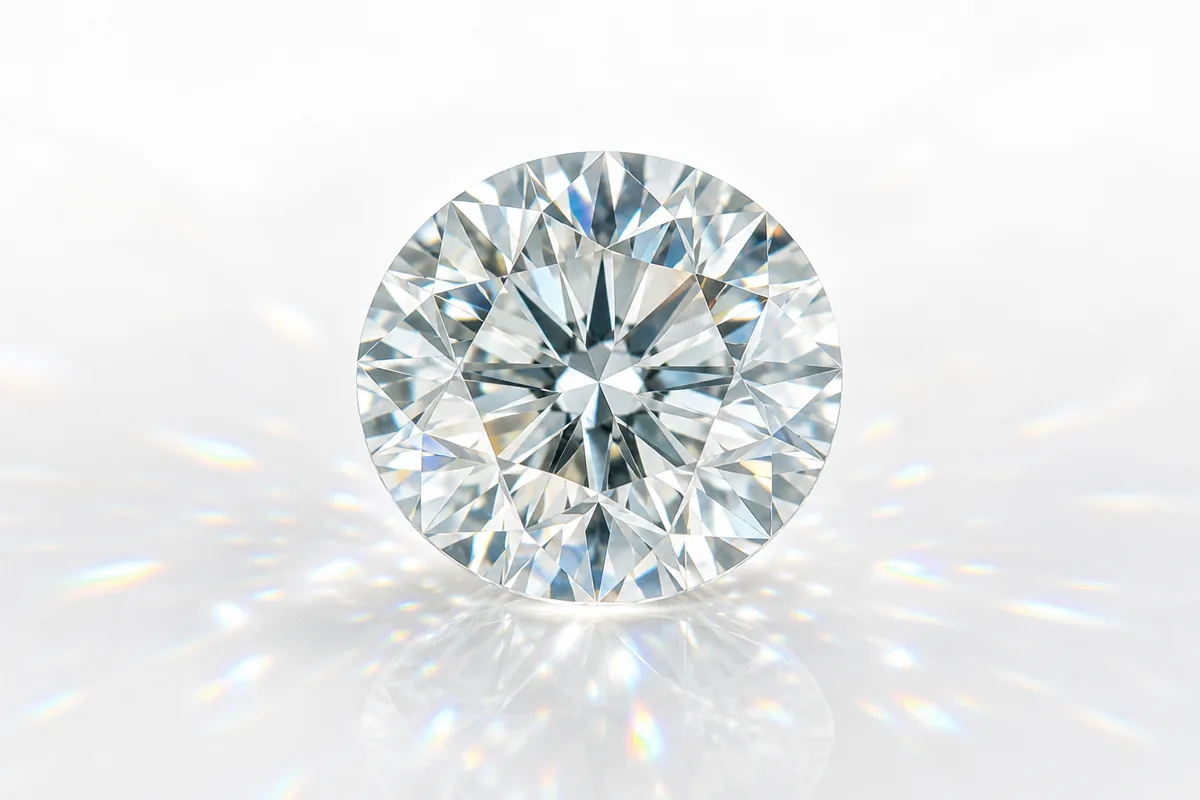
What defines a cushion cut
A cushion cut diamond has a square or rectangular outline with rounded corners, resembling a cushion or pillow. The facet arrangement can follow either a classic crushed-ice pattern, where light breaks into many small reflections, or a chunky or modified brilliant pattern, where larger facets create a more distinct pattern. Neither is objectively better, but they produce different visual effects that buyers either prefer or dislike.
How cushion cuts are graded
GIA grades cushion cut diamonds as Excellent, Very Good, Good, Fair, or Poor for overall cut only for rounds. Cushion cuts receive grades for polish and symmetry but not an overall cut grade the way round brilliants do. This means proportions and appearance must be assessed from the measurements and an actual viewing, not from a single grade line on the certificate.
Cushion vs round brilliant in SA pricing
Cushion cuts typically cost less per carat than round brilliants of equivalent colour and clarity because they retain more rough diamond during cutting and face up slightly smaller. A buyer who prefers the cushion shape can often get a larger-looking stone for less than an equivalent round. The trade-off is that cushion cuts show colour more than rounds, so buyers sometimes need to choose a higher colour grade.
Buying advice for cushion cuts
Ask for millimetre measurements and the length-to-width ratio. For a square look, target a ratio near 1.00 to 1.05. For a rectangular cushion, look at 1.10 to 1.20 or beyond. Request a video of the stone in multiple lighting conditions because crushed-ice and chunky patterns look very different in still photographs. Prodiam in Bedfordview can source and assess certified cushion cut diamonds. Contact a qualified specialist or call a qualified specialist.
Decision table
Use the details, not a shortcut.
| Attribute | Square cushion | Rectangular cushion |
|---|---|---|
| Length-to-width ratio | 1.00 to 1.05 | 1.10 and above |
| Face-up appearance | Balanced, equal sides | Elongated, finger-slimming |
| Pattern type | Crushed-ice or chunky | Crushed-ice or chunky |
| Colour visibility | More than rounds | More than rounds |
| Common settings | Halo, solitaire, pave band | Halo, three-stone, solitaire |
Direct answers
Common questions
Is a cushion cut cheaper than a round brilliant?
Generally yes. Cushion cuts typically cost less per carat than rounds of comparable grades because round cutting wastes more rough diamond and commands a market premium.
Does a cushion cut show colour more than a round?
Yes. The larger facets in cushion cuts tend to show warmth more than round brilliants. Buyers often move one colour grade higher when switching from round to cushion.
What is the difference between cushion modified brilliant and cushion brilliant?
The difference lies in the facet arrangement. Cushion modified brilliant typically produces a crushed-ice effect. Standard cushion brilliant produces larger, more defined facets. Both are cushion cuts by outline.
What length-to-width ratio is most popular?
Square cushion cuts near 1.00 to 1.05 are the most popular for engagement rings in current South African retail. Preference varies and neither ratio is universally better.
Can I see a cushion cut diamond before buying?
Prodiam can arrange viewings of certified natural diamonds in Bedfordview, Johannesburg. Contact the team to discuss what is available and set up an appointment.