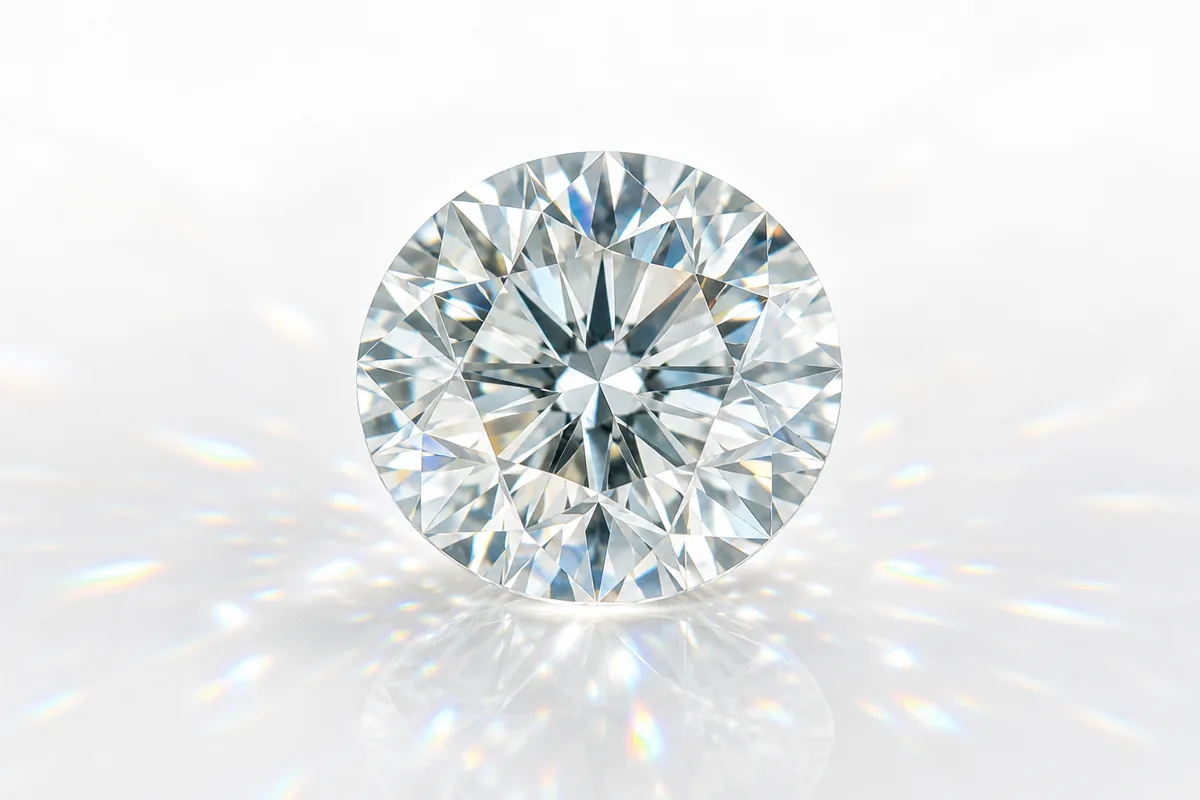
What De Beers diamonds teaches, and what it cannot tell you
Diamond history is genuinely useful context: it explains why certification exists, why South Africa sits at the centre of the story, and why provenance moves auction houses. But context is not valuation. The famous stories about De Beers diamonds do not put a number on the ring in your drawer, and the pages that pretend otherwise are entertainment dressed as advice.
Using the story without being sold by it
Provenance moves prices at the level of museum stones, royal jewels, and documented celebrity pieces, where the paper trail is the asset. For ordinary stones, provenance is sentiment: real, valuable to a family, and invisible to a buyer. What the history does usefully teach is process: the famous stones are famous partly because they are documented, examined, and certified, which is exactly the discipline that protects an ordinary owner. Enjoy the story, then return to the three questions that price your actual stone: what is it, what condition is it in, and what route is it travelling.
When Prodiam is the right next step
Use the checklist to inspect the individual stone, not the brand story. 4Cs.co.za is published by 4Cs.co.za: the education is free, the disclosure is permanent, and the specialist conversation is there when a real stone needs one. Bring the certificate or report number, photos in plain light, and any invoices or valuations, and the conversation starts from evidence instead of guesswork.
Decision table
Use the details, not a shortcut.
| Context | What it genuinely affects | What it does not affect |
|---|---|---|
| Famous stones | Public interest, museum value | Your stone's grade or price |
| Mine of origin | Industry history | An ordinary stone's market value |
| Family history | Sentimental value, heirloom decisions | A buyer's offer |
| Documented provenance | Auction-level premiums when proven | Anything undocumented |
| Certification history | Why modern grading exists | A shortcut past inspection |
Direct answers
Common questions
Does my diamond's origin change its value?
For ordinary stones, value follows the 4Cs, certificate, and condition. Documented origin matters mainly at collector level or where buyers specifically pay for traceable sourcing.
My ring is very old. Is it worth more?
Age alone is not a premium. Period pieces with quality workmanship, signatures, or documented history can be; worn generic pieces are valued on stones and metal.
Are famous diamonds graded like normal ones?
The same science applies, but museum and collector stones trade on rarity and story far beyond their grades, which is exactly why their prices teach little about ordinary stones.
How do I use history when selling an heirloom?
Gather the documentation: receipts, photos, family records. Even when it does not raise the price, it speeds trust, and occasionally it reveals a signature or period that genuinely does.