What a proper appraisal includes
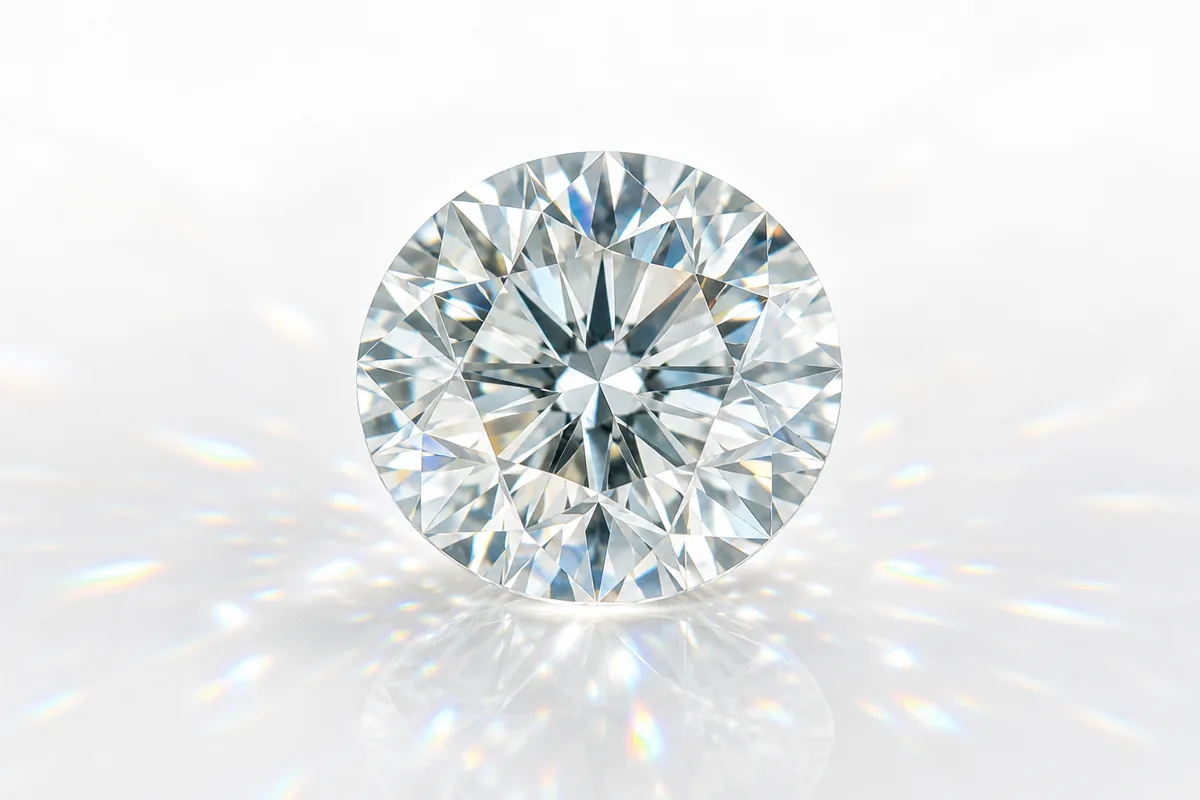
A credible diamond appraisal documents the physical stone: weight in carats, measurements in millimetres, shape, cut quality, colour grade, clarity grade, fluorescence, and any visible inclusions or treatments. It also references any grading certificate and confirms whether the certificate inscription matches the stone in hand. The appraiser states the purpose, the valuation basis, and the date. An appraisal without measurement data or a stated purpose basis is inadequate for insurance or legal use.
Appraisal versus valuation: which do you need
An insurance appraisal uses replacement cost as the basis, meaning what it would cost to replace the item with an equivalent stone and setting at retail today. An estate or divorce-related valuation typically uses fair market value, which is lower because it reflects what a willing buyer would pay, not what a retail replacement costs. A sale valuation reflects what a specialist buyer will offer in current market conditions. Presenting an insurance appraisal to a dealer as a sale price expectation leads to frustration on both sides.
SADPMR alignment and documentation standards
South Africa's diamond trade operates under the South African Diamond and Precious Metals Regulator, which sets minimum documentation and chain-of-custody standards. A valuation from a SADPMR-aligned dealer carries regulatory credibility that a general jeweller's letter does not. For estate, legal, or SARS purposes, the provenance and credentials of the appraiser matter.
The Prodiam appraisal and valuation route
4Cs.co.za provides a 48-hour valuation service, with cleared funds available within 72 hours of acceptance for sellers. As a SADPMR-aligned manufacturer with 25 years in the SA diamond trade and direct manufacturing capability through a South African cutting works and a South African cutting works, Prodiam assesses stones at manufacturer-level accuracy rather than retail estimation. FICA-compliant processes apply to all transactions. Contact: Prodiam, Suite F1W6, The Paragon, 1 Kramer Road, Bedfordview, Johannesburg. By appointment.
Decision table
Use the details, not a shortcut.
| Document type | Valuation basis | Typical use |
|---|---|---|
| Insurance appraisal | Retail replacement cost | Home contents or jewellery insurance |
| Estate valuation | Fair market value | Deceased estate, divorce settlement |
| Sale valuation | Specialist buyer offer, current market | Selling a diamond to a dealer or privately |
| GIA certificate | Grading, not value | Quality verification, supports all three above |
| SADPMR-aligned assessment | Trade-accurate, documented | Legal, SARS, regulatory purposes |
Direct answers
Common questions
What is the difference between a diamond appraisal and a GIA certificate?
A GIA certificate grades the stone's physical properties: colour, clarity, carat, and cut. It does not assign a rand value. An appraisal takes the grading data and applies a value figure based on a stated purpose such as insurance replacement or market sale.
How often should I update my diamond insurance appraisal?
Every two to three years is a common guideline, or after any significant change in diamond market pricing. An outdated insurance appraisal can leave you under-covered if the replacement cost has risen.
Can I get a diamond appraisal without a GIA certificate?
Yes. An appraiser can measure and grade a stone without a pre-existing certificate, though the cost and time increase. Providing a recognised certificate alongside the stone makes the appraisal faster and more consistent.
Is an insurance appraisal value the same as what I would receive if I sold the diamond?
No. Insurance appraisal uses retail replacement cost, which is typically higher than what a specialist buyer will offer. Sale valuations reflect current dealer pricing and trade demand, which is usually 30 to 60 percent below the retail replacement figure.
What should I bring to a diamond valuation appointment?
Bring the original grading certificate, any previous appraisal documents, the item itself, and proof of identity for FICA compliance. If you have purchase receipts, bring those too.
How long does a diamond appraisal take in South Africa?
A straightforward appraisal by a qualified specialist typically takes between 30 minutes and a few hours for the physical assessment. A formal written document is usually ready within 48 hours. Complex estates with multiple pieces take longer.