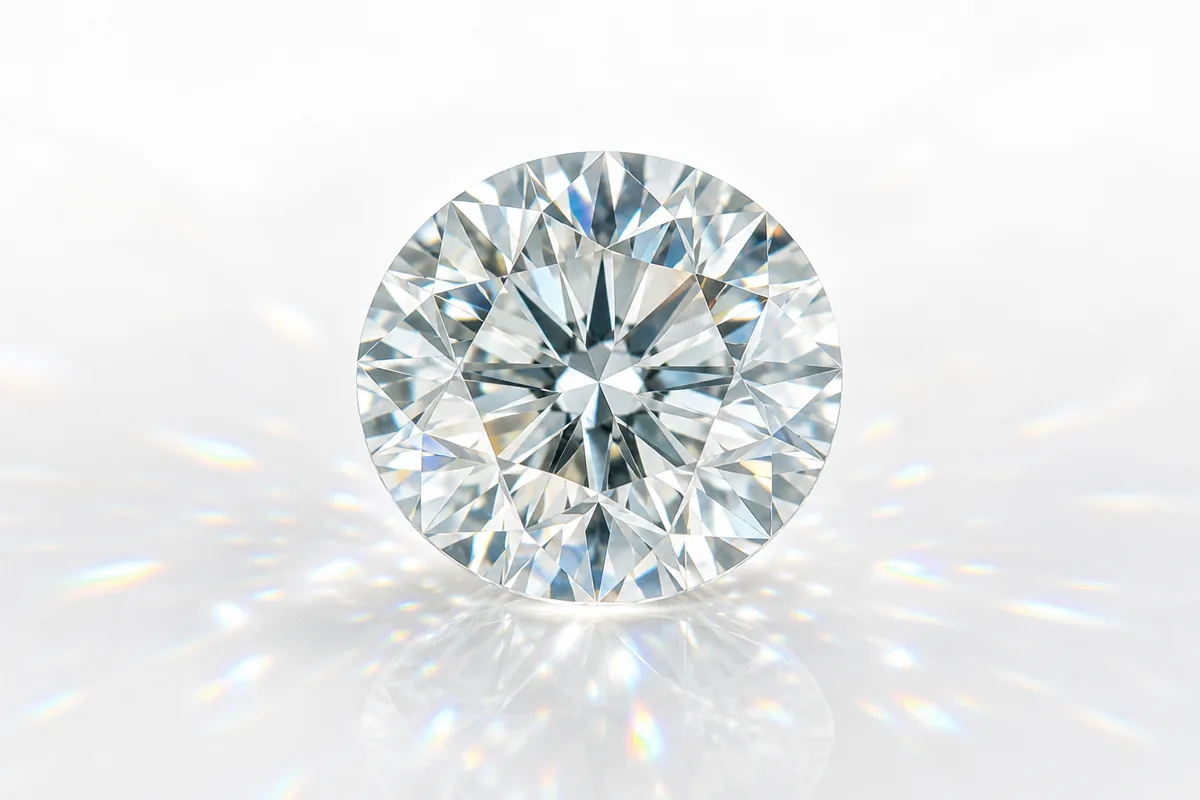
How diamond shape affects visual finger length
Oval, pear, and marquise diamonds are set with their longest axis running up the finger. This creates an elongating visual line. Round brilliant, princess, and cushion cuts spread width evenly. Neither is better. The effect matters most on shorter fingers where buyers want a lengthening appearance.
Popular shapes and what to expect
Round brilliant is the most common shape globally and offers the most light return for a given cut quality. Oval is the most popular elongated shape in current SA buying trends. Princess offers a modern square outline. Cushion is softer and often used in vintage-inspired settings. Each shape has a different spread per carat, meaning two 1.00ct stones in different shapes look different sizes face-up.
Spread per carat by shape
Round brilliants typically measure around 6.4-6.5mm at 1.00ct with ideal proportions. Ovals can appear larger face-up because their elongated outline covers more visual area. Cushions and princess cuts are more compact. Buyers looking for maximum visual size per rand should compare millimetre measurements, not only carat weight.
Choosing shape for an engagement ring
Shape is personal and usually not changed after purchase. Look at the diamond in different lighting conditions before deciding. Consider the setting style: a thin knife-edge band highlights elongated shapes differently from a pavé band. Prodiam in Bedfordview handles certified natural diamonds and can show buyers how different shapes look in real conditions before purchase discussions begin.
Decision table
Use the details, not a shortcut.
| Shape | Visual effect | Typical spread vs round |
|---|---|---|
| Round brilliant | Balanced, no elongation | Baseline reference |
| Oval | Elongating, large face-up | Larger appearing per carat |
| Princess (square) | Modern, compact | Slightly smaller face-up |
| Pear | Elongating, directional | Larger appearing per carat |
| Cushion | Soft corners, vintage feel | Compact, similar to princess |
| Marquise | Strong elongation | Largest face-up per carat |
Direct answers
Common questions
Does diamond shape affect price?
Yes. Round brilliants typically carry a premium because more rough diamond is lost during cutting. Elongated shapes and fancy cuts are often lower in price per carat for a similar quality grade.
Which diamond shape looks biggest on the finger?
Oval, pear, and marquise shapes tend to look largest for a given carat weight because their elongated outline covers more visual area. Millimetre measurements confirm actual spread.
Is oval diamond more popular than round?
Oval engagement rings have grown significantly in popularity in recent years. Round brilliant remains the most common overall, but ovals are now the leading fancy shape in many markets including South Africa.
Can diamond face shape affect clarity visibility?
Yes. Step cuts like emerald and Asscher show inclusions more clearly than brilliant cuts because of their open facet pattern. A clarity grade that is eye-clean in a round may show more in an emerald cut.
How do I decide between shapes?
Compare in person with actual diamond samples or high-quality video. Print scale drawings of different shapes at your preferred carat weight to see proportions on your hand. Personal preference and daily lifestyle both matter.