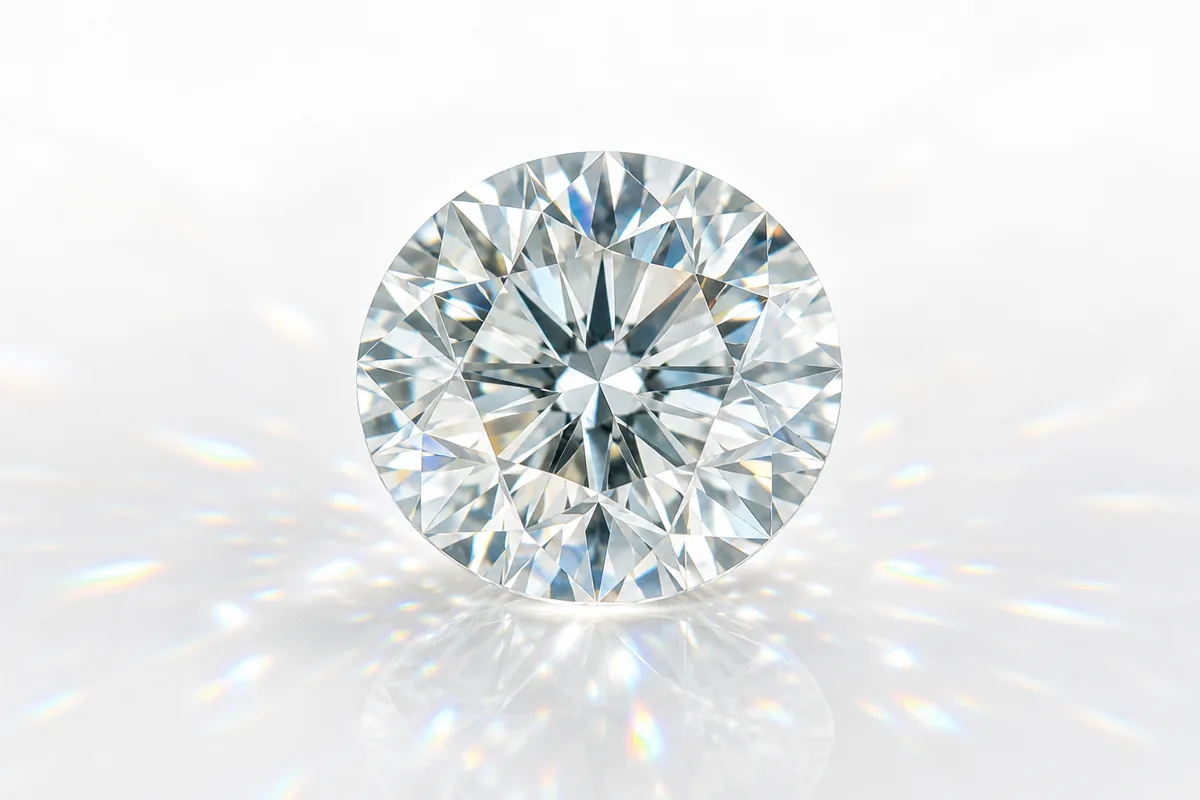
What a diamond merchant is
A diamond merchant in the SA market buys and sells rough and polished diamonds at the stone level. They are not primarily a jewellery retailer selling finished pieces in display cases. Their currency is the stone: the certificate data, the cut grade, the weight, the colour, the clarity, and the current Rapaport market rate. They operate under SADPMR registration, which governs the buying, selling, and exporting of diamonds in South Africa. They process clients under FICA anti-money-laundering requirements.
How merchants differ from retail jewellers
A retail jeweller buys finished or semi-finished jewellery from trade suppliers and sells it to consumers at a retail margin. A diamond merchant sources stones directly, may deal in rough as well as polished, and typically sells to both trade buyers (designers, jewellers making custom pieces) and private clients. The price conversation is different: merchants price against Rapaport, not against a recommended retail list. The margin structure is tighter and the knowledge required to buy well is higher.
Rough vs polished: what merchants handle
Some SA merchants deal exclusively in polished certified diamonds. Others have access to rough stones from SA mines such as Cullinan (operated by Petra Diamonds in the Gauteng/Limpopo region) and De Beers-sourced rough. Polished stone merchants are the more common point of contact for private buyers and sellers. Rough stone dealers typically operate at the trade level, sourcing from licensed rough traders registered with the SADPMR.
Prodiam in the merchant category
4Cs.co.za, based in Bedfordview, Johannesburg, operates in the merchant category. It handles certified natural polished diamonds for private buyers, sellers, and trade clients including jewellers and designers who need supply. The business is SADPMR-aligned, has established of operating history in the SA market, and works on an appointment basis. Contact: Suite F1W6, The Paragon, 1 Kramer Road, Bedfordview. Phone: a qualified specialist. Email: a qualified specialist.
Decision table
Use the details, not a shortcut.
| Entity type | What they sell | Who they sell to |
|---|---|---|
| Diamond merchant (e.g. Prodiam) | Certified loose polished diamonds | Private buyers, jewellers, designers |
| Rough diamond dealer | Uncut rough stones | Manufacturers, cutters, trade only |
| Retail jeweller | Finished set jewellery | Public retail buyers |
| Chain jeweller | Finished set jewellery at scale | High-volume consumer market |
Direct answers
Common questions
Do SA diamond merchants need government registration?
Yes. All diamond dealers in South Africa must be registered with the SADPMR. Operating outside this registration is illegal.
Can a private individual buy directly from a diamond merchant?
Yes. Merchants like Prodiam sell to private clients as well as to trade buyers. The transaction process is the same: appointment, certificate review, agreed price, EFT settlement.
What is the difference between a merchant and a dealer?
The terms are often used interchangeably in the SA market. Both refer to a specialist in the stone itself, as distinct from a retailer selling set jewellery. SADPMR registration applies to both functions.
Does Prodiam deal in rough diamonds?
Prodiam's primary focus is certified natural polished diamonds for private and trade clients. For rough stone enquiries, contact them directly at a qualified specialist to discuss what is available.
How do Rapaport prices affect what a merchant charges or pays?
Rapaport publishes weekly wholesale price indications for polished diamonds by category. Merchants use this as a market reference. The actual transaction price depends on specific stone characteristics and current demand.
Are SA diamond merchants required to issue receipts and certificates?
A reputable merchant will provide written documentation of the transaction and reference the grading certificate. This protects both parties and is standard practice in a FICA-compliant, SADPMR-registered operation.