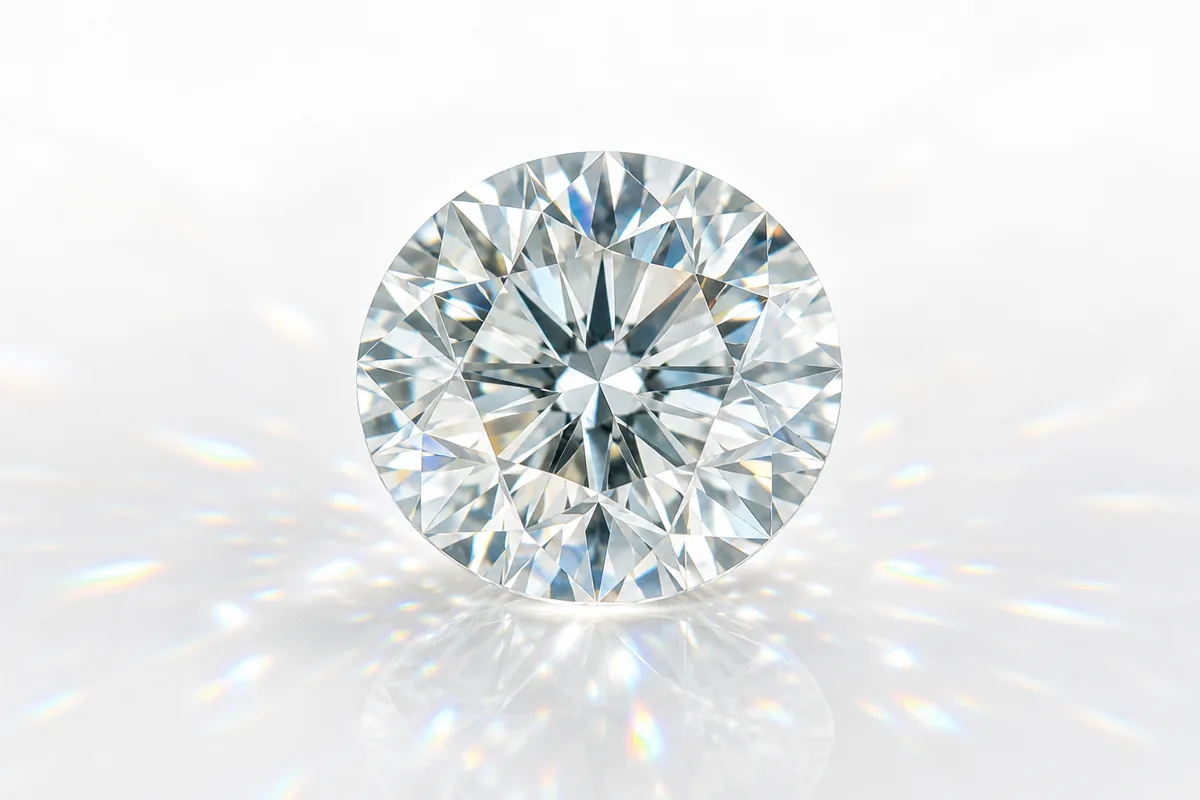
What lab-grown means
A lab-grown diamond has the same basic crystal structure as diamond, but it is created in a controlled manufacturing process. It must be disclosed clearly because value and resale behaviour differ from natural diamonds.
Why natural still matters
Natural diamonds remain the clearer fit for buyers and sellers focused on rarity, estate jewellery, trade benchmarks, and resale conversations. That is where a specialist like Prodiam is most relevant.
How to compare
Compare certificate, disclosure wording, price gap, upgrade policy, resale expectations, and whether the buyer wants beauty only or long-term tradeability.
Decision table
Use the details, not a shortcut.
| Comparison point | Lab-grown diamond | Natural diamond |
|---|---|---|
| Origin | Manufactured in controlled conditions | Formed naturally over geological time |
| Disclosure | Must be clearly disclosed | Should be supported by certificate and provenance |
| Price | Often lower for similar appearance | Usually priced around rarity and market demand |
| Resale | Different and often weaker resale path | More established trade and estate-jewellery market |
| Best fit | Appearance-led budget choice | Rarity, tradeability, and estate value |
Direct answers
Common questions
Are lab-grown diamonds fake?
No. They are diamonds, but they are not natural diamonds. Disclosure matters.
Do lab-grown diamonds resell like natural diamonds?
Usually no. Resale behaviour is different, and buyers should understand that before purchasing.
Does this site sell lab-grown diamonds?
No. It explains the comparison so buyers understand disclosure, price gaps, and resale expectations before speaking to a natural-diamond specialist.