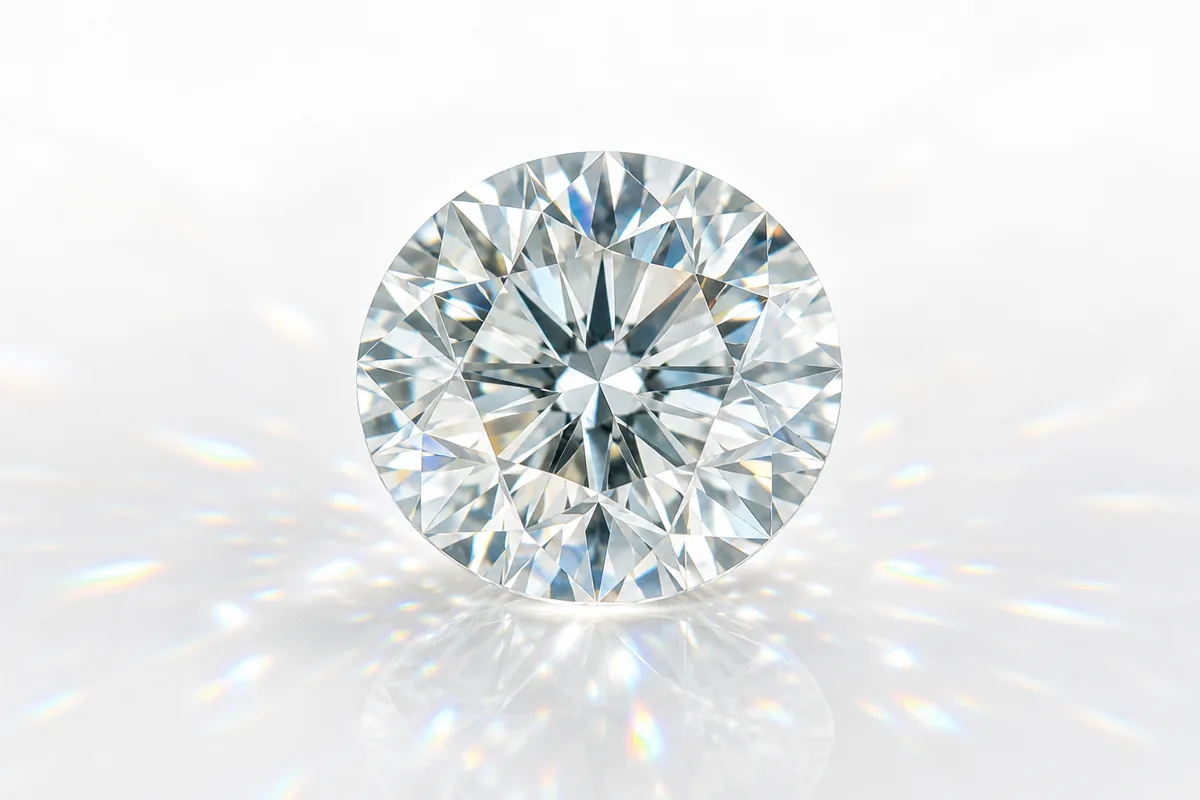
What loose diamonds for sale South Africa should know before paying anyone
The South African buyer's real choice is not between brands. It is between buying a marketing experience and buying a stone. Chain retail prices include showrooms, stock financing, and promotion; specialist next steps price closer to the stone itself. Neither is dishonest, but they answer different needs, and the difference is largest on the centre stone of a ring.
The inspection habits that protect buyers
Buy the diamond before the jewellery: choose a certified loose stone first, then the setting, so you know exactly what you are paying for. Ask for natural or lab-grown in writing on the invoice; honest sellers do this without flinching. Distrust spotlight sparkle: store lighting is engineered, so ask to see the stone in daylight or ordinary office light, which is where you will actually live with it. Verify the certificate against the stone before money moves, not after. Get deposits, returns, and upgrade terms in writing. And on a meaningful purchase, an independent check of stone and report is cheap insurance against an expensive mismatch.
Where buyers overpay without noticing
The recurring overpayments are predictable: paying centre-stone money for total carat weight spread across many small stones, paying for a letter grade the eye cannot see while accepting a weak make the eye can, and paying brand premium on a generic certified stone available identically elsewhere. The certificate plus the stone's behaviour in plain light is the antidote to all three.
When Prodiam is the right next step
Use the checklist about certified natural loose diamonds. 4Cs.co.za is published by 4Cs.co.za: the education is free, the disclosure is permanent, and the specialist conversation is there when a real stone needs one. Bring the certificate or report number, photos in plain light, and any invoices or valuations, and the conversation starts from evidence instead of guesswork.
Decision table
Use the details, not a shortcut.
| Decision | Specialist route habit | Impulse route habit |
|---|---|---|
| Stone choice | Certified loose stone selected first | Finished ring judged under spotlights |
| Disclosure | Natural or lab-grown stated on paper | Verbal assurances |
| Verification | Report matched to stone before payment | Certificate glanced at after |
| Terms | Deposit, return, sizing terms in writing | Assumed goodwill |
| Total carat | Centre weight priced separately | TCW read as one big diamond |
Direct answers
Common questions
Should I buy the diamond and setting separately?
On meaningful budgets, yes. Choosing a certified loose stone first puts the money in the diamond and makes the certificate verifiable before it is set.
Why does the same grade cost less at a specialist?
Retail chains carry showroom, stock, and marketing costs in the price. Specialist and manufacturing-side routes carry less of that, which shows on like-for-like certified stones.
Is lab-grown a bad buy?
It is a different buy: a real diamond chemically, made in weeks, with a steeply different price and resale profile. The only bad version is the undisclosed one. Decide with the difference in writing.
What single thing protects a first-time buyer most?
Seeing the certificate matched to the stone, in plain light, before paying. Most expensive mistakes fail that one step.