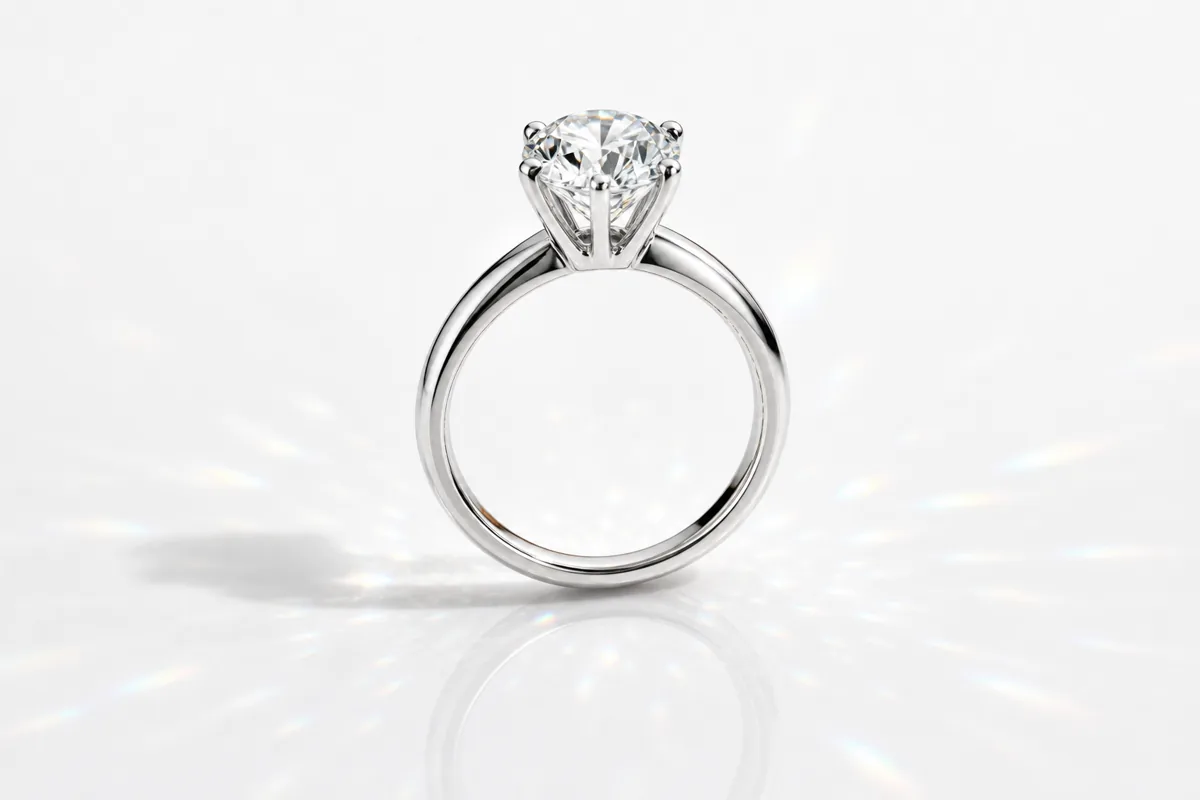
Natural fancy pink diamonds
Natural fancy pink diamonds are graded by GIA on a scale from Faint Pink through Fancy Vivid Pink. The Argyle mine in Western Australia produced the majority of commercial natural pink supply and closed permanently in 2020. This closure has reduced new natural pink supply significantly. A genuine Fancy Intense or Fancy Vivid Pink natural diamond is expensive. Any claim of natural pink at a low price deserves close scrutiny.
Treated pink diamonds
HPHT (high pressure, high temperature) and irradiation treatments can turn colourless or brown diamonds pink. The treatment is permanent in most cases but must be disclosed. GIA and other labs report treatment on certificates. A treated pink is a real diamond with an induced colour. Value is lower than natural fancy pink, but it is not a simulant.
Lab-grown pink diamonds
Lab-grown pink diamonds are chemically identical to natural diamonds but are manufactured. They are increasingly available at a fraction of the cost of natural fancy pink. Resale value has compressed. For a ring worn for its appearance rather than as a traded asset, lab-grown pink offers the colour with significantly lower outlay.
Prodiam and pink diamond enquiries
Prodiam specialises in certified natural colourless and near-colourless diamonds at its Bedfordview, Johannesburg premises. For specific queries about natural fancy pink diamonds or treated pink, contact the team at Prodiam.
Decision table
Use the details, not a shortcut.
| Type | GIA report note | Relative price |
|---|---|---|
| Natural fancy pink | Colour origin: natural | High to very high |
| Treated pink | Colour origin: treated | Moderate, well below natural |
| Lab-grown pink | Laboratory-grown | Low to moderate, declining |
| Pink sapphire | Not a diamond | Depends on sapphire quality |
| Pink cubic zirconia | Not a diamond or gemstone | Low |
Direct answers
Common questions
Why are natural pink diamonds so expensive?
Rarity is the primary factor. Natural pink colour in diamonds results from plastic deformation during crystal formation, not a chemical impurity. The closure of the Argyle mine has reduced new supply further.
Can I tell if a pink diamond is treated just by looking?
No. A GIA or recognised lab report is the only way to confirm whether the colour is natural or treated. Always request a certificate for any pink diamond purchase.
Are lab-grown pink diamonds worth buying?
For a ring worn for its beauty, lab-grown pink offers the colour at a significantly lower price. For resale or investment purposes, natural treated or natural pink holds value far better than lab-grown, whose resale has declined sharply.
What ring setting suits a pink diamond?
Rose gold complements pink tones. White gold or platinum provides contrast that makes the colour stand out. Yellow gold works for a warm, vintage look. Setting choice is aesthetic.
Is the Argyle mine closure affecting pink diamond prices?
Yes. The closure in 2020 removed the primary commercial source of natural pink diamonds. Prices for certified natural Argyle pink stones have increased since. The trend is expected to continue as supply declines.
Does Prodiam deal in natural fancy pink diamonds?
Contact Prodiam directly at a qualified specialist to discuss availability and certification for any coloured diamond enquiry.