How scrap gold pricing works
The offer you receive is based on pure gold content. Take the piece weight in grams, multiply by the karat fraction (0.375 for 9K, 0.585 for 14K, 0.75 for 18K), then multiply by the current pure gold price in R/gram (derived from USD spot price at the SARB daily rate). Buyers then apply a margin of 10-30%, so expect to receive 70-90% of that calculated figure. Shop multiple SADPMR-registered dealers, not informal buyers.
What affects the offer
Higher karat means more gold content per gram and a better base price. Heavier pieces yield more. Alloy contamination (solder, mixed metals in clasps) can reduce the offer slightly. Certificates for hallmarked pieces help confirm karat. A piece with an 18K or 750 hallmark commands a cleaner offer than an unmarked piece requiring acid testing.
When not to scrap
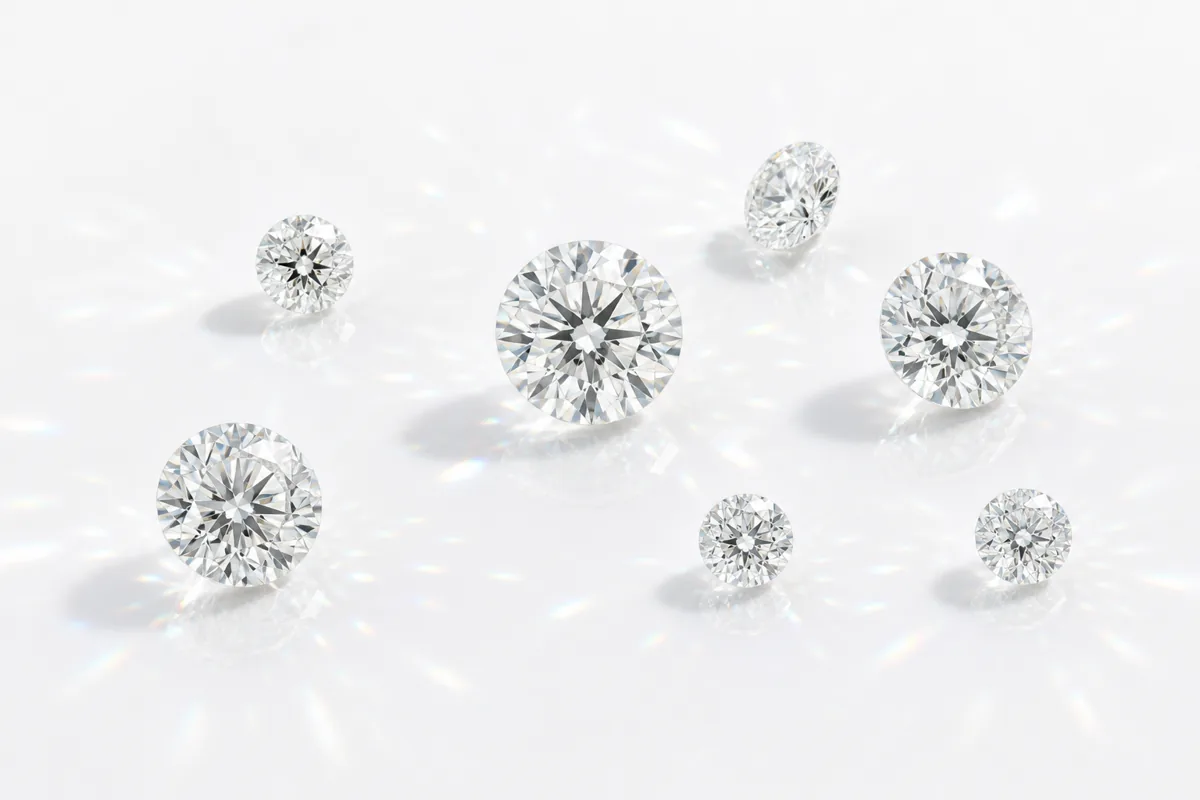
Diamond-set jewellery should almost never go to a scrap buyer as a single lot. A scrap buyer's offer covers the metal and ignores the stone, or buries the stone value in a token add-on. A 0.50ct certified natural diamond in an 18K ring is worth far more assessed as separate components: stone at market value, gold at melt. Prodiam (Bedfordview, Johannesburg) can assess the diamond component. Contact Prodiam before accepting a scrap offer for any set piece.
SADPMR and legal compliance
The South African Diamond and Precious Metals Regulator (SADPMR) licenses precious metals dealers and recyclers. Selling gold to unlicensed informal buyers carries legal risk and no consumer protection if a dispute arises. The Second-Hand Goods Act requires dealers to record transactions and cooperate with SAPS. Always use a registered dealer and insist on a receipt.
Decision table
Use the details, not a shortcut.
| Karat | Gold purity | Pure gold per 10g piece | Indicative melt value base |
|---|---|---|---|
| 24K | 99.9% | 9.99g | Full spot rate |
| 18K | 75% | 7.50g | 75% of spot per gram |
| 14K | 58.3% | 5.83g | 58.3% of spot per gram |
| 9K | 37.5% | 3.75g | 37.5% of spot per gram |
Direct answers
Common questions
Where can I find the current gold price to calculate my offer?
Use the SARB daily exchange rate and the USD gold spot price from the World Gold Council or Kitco. Multiply spot price (USD/troy oz) by ZAR/USD rate, then divide by 31.1035 to get R per gram for 24K.
Is it worth selling gold scraps and old jewellery?
It depends on the pieces. Plain gold without stones is straightforward to scrap. Set pieces should be assessed for stone value first. Sentimental or antique pieces may carry collector value above melt.
Can I negotiate the scrap offer?
Yes. Get two or three quotes from different SADPMR-registered dealers. The spread between offers tells you the negotiation room. Never accept the first offer for a significant piece.
What is the SADPMR?
The South African Diamond and Precious Metals Regulator (SADPMR) is the government body that licenses and regulates the precious metals trade in South Africa. Dealing with licensed operators is required for legal compliance.
Should I sell a diamond ring to a scrap gold buyer?
No, if it can be avoided. Have the diamond assessed by a natural diamond specialist first. Prodiam can assess the stone component. Only then decide whether to sell as a set piece, sell stone and metal separately, or keep.