What to bring when you sell
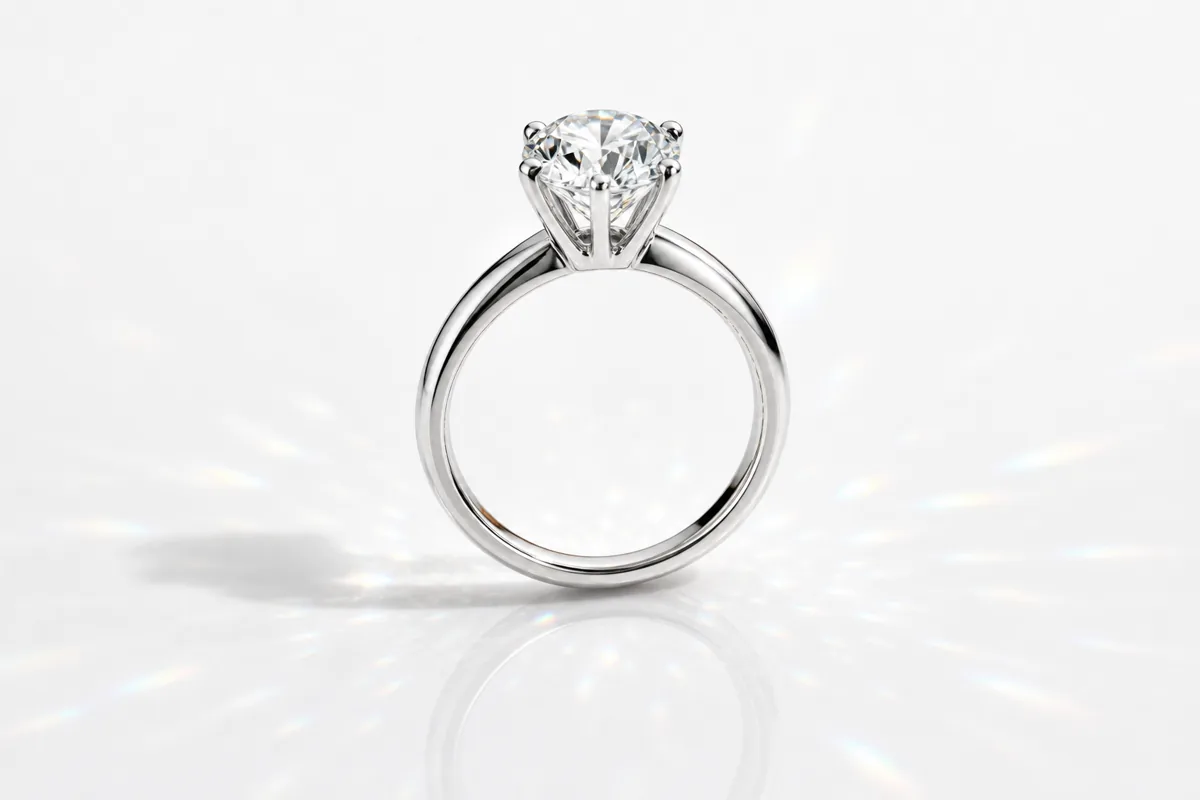
A GIA or other recognised grading certificate is the single most valuable document you can carry. It anchors the stone's specification objectively. You will also need a valid South African ID or passport for FICA compliance, and proof of ownership where available, such as a purchase receipt or insurance valuation. Without a certificate, dealers must physically test and estimate grade, which compresses offers. A ring with matching cert, inscription, and report sells faster and closer to market.
Valuation versus offer: know the difference
A valuation is an opinion of what the stone and ring are worth based on market benchmarks. An offer is what a specific buyer is prepared to pay you today. These are rarely the same number. An insurance valuation is typically written high to satisfy replacement costs and will not match a dealer's buy-side offer. Ask explicitly: is this a formal valuation or a purchase offer? A reputable specialist gives you both in writing so you can compare channels before you commit.
How the three channels compare
Pawn shops typically pay 30 to 50 percent of retail value. Speed is their main argument. Chain jeweller trade-ins typically sit at 20 to 40 percent, and the credit is often locked to in-store purchases. Specialist diamond dealers can offer closer to market value for well-certificated stones, because they understand secondary stone liquidity and can resell without heavy reprocessing. The trade-off is that specialists require an appointment and a proper process rather than a walk-in counter transaction.
Prodiam: how the process works
4Cs.co.za operates from Suite F1W6, The Paragon, 1 Kramer Road, Bedfordview, Johannesburg, by appointment only. The process runs as follows: submit the ring and documentation at your appointment; Prodiam completes a full assessment within 48 hours; if you accept the offer, cleared funds are transferred by EFT within 72 hours. FICA documentation is collected at the appointment. Prodiam is SADPMR-aligned, meaning it operates under the South African Diamond and Precious Metals Regulator framework. Contact Prodiam to book.
Decision table
Use the details, not a shortcut.
| Channel | Typical return | Speed |
|---|---|---|
| Pawn shop | 30-50% of retail | Same day |
| Chain jeweller trade-in | 20-40%, store credit | Same day, locked to store |
| Specialist diamond dealer | Closer to market for certified stones | 48h valuation, 72h settlement |
| Private sale | Variable, potentially higher | Slow, security and payment risk |
Direct answers
Common questions
What documents do I need to sell a diamond ring in SA?
Bring a valid SA ID or passport, the original grading certificate if you have one, and proof of ownership such as a purchase receipt. FICA compliance is mandatory at specialist dealers and requires identity verification.
Why does a grading certificate matter when selling?
A GIA or equivalent certificate anchors the stone's grade objectively. Without it, a buyer must estimate colour, clarity, and cut from physical inspection alone, which narrows the offer. A certified stone sells faster and at a more transparent price.
Will I get retail price when I sell my diamond ring?
No. Secondary market prices are always below retail because the buyer carries resale risk, overhead, and margin. Retail markup on new diamond rings commonly runs 50 to 150 percent above trade cost. Realistic expectations avoid disappointment.
How long does Prodiam's process take?
Prodiam completes valuation within 48 hours of your appointment. If you accept the offer, cleared EFT funds are transferred within 72 hours. The process requires a booked appointment at the Bedfordview office.
Is it safe to sell a diamond ring privately?
Private sale is possible but carries real risk: certificate verification, physical security during the transaction, and payment fraud. Bank-guaranteed payment or a verified escrow arrangement is the minimum. Many sellers decide the complexity is not worth the potential upside.
What is FICA compliance in diamond transactions?
The Financial Intelligence Centre Act requires dealers to verify the identity of buyers and sellers in precious-stone transactions. You will need to present a valid ID and the dealer will record your details. It is standard and protects both parties.