Selling gold in Johannesburg
For pure gold items, scrap gold, or hallmarked pieces without significant stones, the right buyer is a SADPMR-registered precious metals dealer or a licensed gold refinery. These dealers pay based on the weight and karat of the gold against the daily spot price, typically at 70-90% of melt value. SAPS requires second-hand dealers to follow the Second-Hand Goods Act: ID verification, waiting periods before resale, and transaction records. Use a licensed, registered dealer.
Selling diamond jewellery in Johannesburg
Diamond-set jewellery involves two components: the gold setting and the diamond(s). A natural diamond specialist values the stone on its 4Cs and current market demand. The metal is a secondary consideration. Prodiam (Suite F1W6, The Paragon, 1 Kramer Road, Bedfordview) specialises in natural certified diamonds and can assess the stone component of your ring, bracelet, or pendant. For the gold setting, they can advise on appropriate scrap gold channels if the metal needs to be sold separately.
What to bring when selling
Bring the original GIA or IGI certificate if available. Without a certificate, the buyer must assess the stone independently, which typically results in a lower offer. Bring your South African ID. For pieces valued above R5,000, expect to complete FICA documentation (identity verification and source of funds). Expect to wait for an offer rather than a same-day settlement on high-value items.
Realistic price expectations
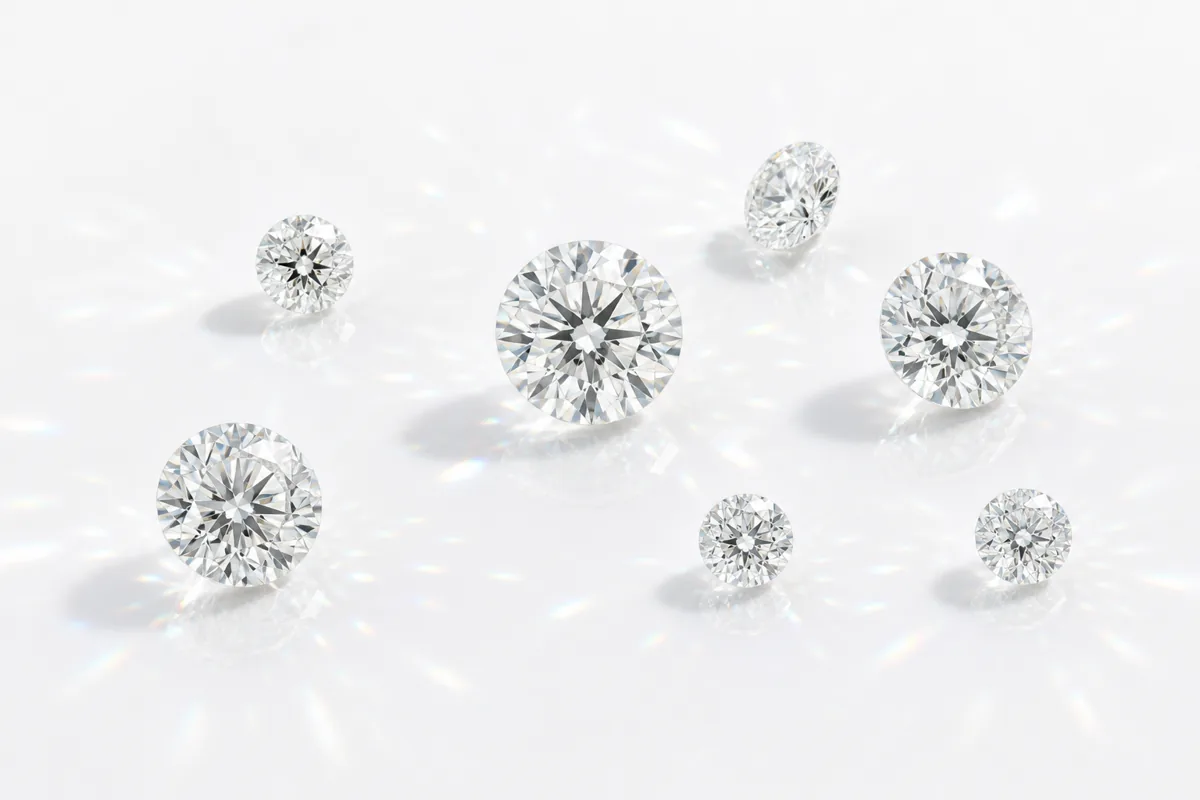
Diamond resale prices are lower than retail prices. A stone bought at retail rarely returns retail value in the secondary market. Certified natural diamonds from recognised labs in popular shapes and grades (round, G-H, VS-SI) are the most liquid. Poorly graded stones, unusual shapes, or uncertified stones attract significant discounts. Prodiam can provide a realistic assessment without obligation.
Decision table
Use the details, not a shortcut.
| What you have | Right buyer type | Documents needed |
|---|---|---|
| Plain gold (no stones) | SADPMR precious metals dealer | SA ID, FICA docs |
| Diamond-set ring or pendant | Natural diamond specialist | Certificate (if held), SA ID |
| GIA/IGI certified loose diamond | Diamond dealer or direct buyer | Original certificate, SA ID |
| Uncertified stone | Diamond dealer for assessment | SA ID, proof of ownership if available |
Direct answers
Common questions
Will Prodiam buy my diamond ring?
Prodiam specialises in natural diamonds and can assess the stone component. Contact a qualified specialist or call a qualified specialist to discuss what you have.
What is the Second-Hand Goods Act?
South African law requires licensed second-hand dealers to record seller details, hold items for a waiting period before resale, and cooperate with SAPS. This protects against stolen goods entering the market.
Why does resale value drop so much?
Retail price includes design, brand, fabrication, and retail margin. The secondary market values the stone and metal at commodity rates without these premiums. The gap is structural, not a fault of the seller or buyer.
Can I sell a diamond without a certificate?
Yes, but expect a lower offer. The buyer must assess the stone independently and price in the uncertainty. Getting a GIA or IGI report before selling a high-value stone often recovers its cost in a better offer.
What FICA documents are required?
A South African green bar-coded ID or smart card ID, and sometimes proof of residential address. For higher-value transactions, source of funds documentation may be requested.