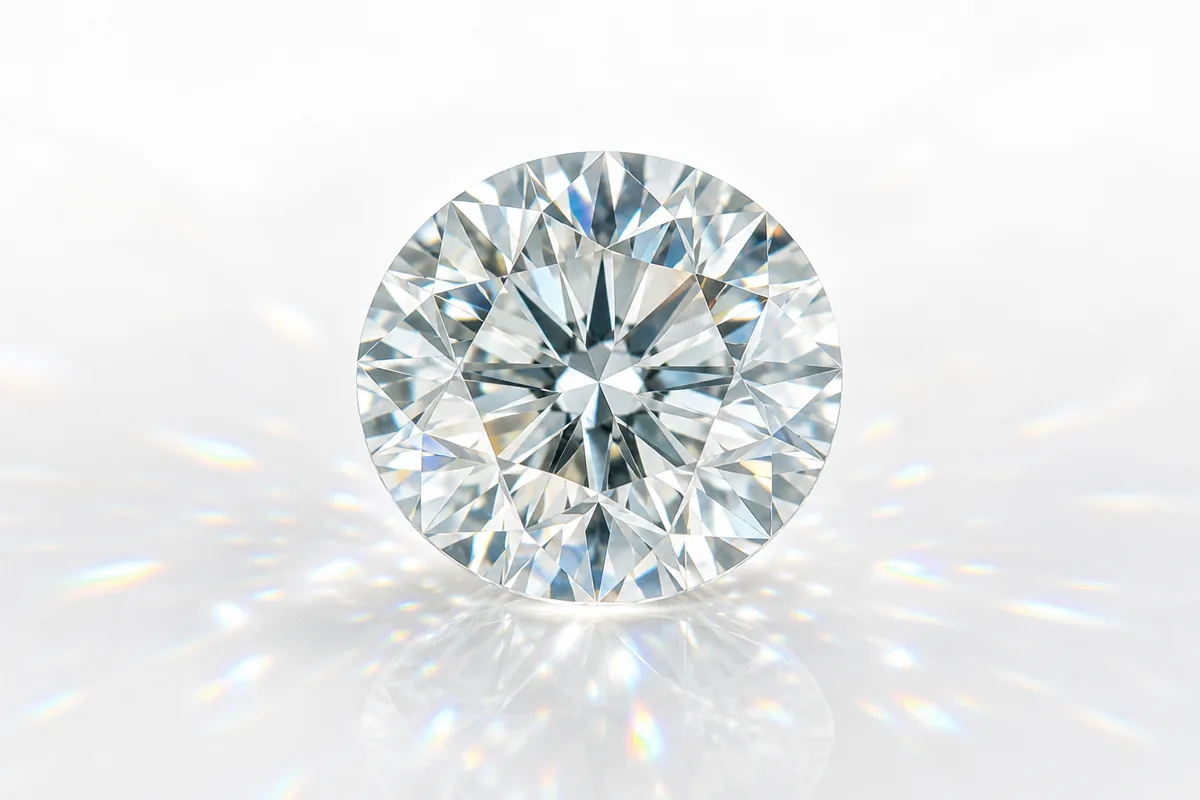
What an uncut diamond looks like
Rough diamonds are often octahedral crystals with a greasy or waxy surface. They can be colourless, yellow, brown, grey, or rarely coloured. Unlike polished stones, they do not display the a large international online retailer and sparkle that cutting creates. Surface texture, inclusions, and shape vary widely across rough material.
How rough is valued
Rough is priced on predicted yield: what polished weight will come out, what colour and clarity the polished stone is likely to achieve, and what the cutting cost will be. A rough stone of 2 carats will not yield 2 carats of polished diamond. Typical polished yield from rough is between 40 and 55 percent by weight, depending on shape, inclusions, and the cutter's decisions.
Ownership and legal position in South Africa
In South Africa, rough diamonds are regulated under the Diamonds Act (No. 56 of 1986) and administered by the South African Diamond and Precious Metals Regulator (SADPMR). Private individuals cannot legally possess rough diamonds without specific licences. Buying, selling, or transporting unregistered rough is a criminal offence. Do not accept rough stones outside this framework.
From rough to polished
Cutting converts rough into a polished stone by creating facets that reflect and refract light. The four Cs assessed on polished stones, cut, colour, clarity, and carat, are the result of decisions made at the rough stage and during cutting. Prodiam deals in polished, certified natural diamonds and can explain the journey from rough to the stone you are evaluating.
Decision table
Use the details, not a shortcut.
| Stage | Appearance | Buyer encounter |
|---|---|---|
| Rough (uncut) | Opaque, waxy surface, variable shape | Not legal for private purchase without licence |
| Cleaved or sawn | Split along grain lines | Processing stage, not consumer-facing |
| Bruited (shaped) | Rounded outline, no facets | Trade intermediate |
| Polished | Faceted, brilliant, transparent | Standard retail and resale market |
Direct answers
Common questions
Can I buy an uncut diamond in South Africa?
Not without a SADPMR licence. Rough diamonds are regulated under the Diamonds Act. Possession without the correct authorisation carries criminal penalties.
Is an uncut diamond worth more than a polished one?
Not in simple terms. Rough value depends on predicted polished yield. A polished stone of known grades is easier to price and trade than rough material.
How do I know if a diamond is real and uncut?
Rough diamonds have a characteristic greasy lustre and crystal form. Verification by a registered gemmologist or SADPMR-approved dealer is the only reliable method. Do not pay for rough stones from informal sellers.
What is the polished yield from rough?
Typical yield is between 40 and 55 percent by weight, depending on the rough's shape, inclusion map, and the cutter's decisions. Higher-quality rough with clean faceting plans yields more.
Does Prodiam sell uncut diamonds?
No. Prodiam trades polished, certified natural diamonds. For questions about the polished market, contact the team at Prodiam.
What is the SADPMR?
The South African Diamond and Precious Metals Regulator. It licenses rough diamond dealers, cutters, and polishers. All legal rough diamond activity in South Africa falls under its oversight.