Natural fancy yellow versus treated yellow
Natural fancy yellow diamonds derive their colour from nitrogen atoms in the crystal structure. The GIA grades their colour intensity: Fancy Light, Fancy, Fancy Intense, Fancy Deep, and Fancy Vivid. Treated yellows are typically near-colourless or light-coloured diamonds that have been irradiated or HPHT-processed to induce colour. A GIA certificate specifies whether the colour is natural or treated. Always ask before buying.
Laboratory-grown yellow diamonds
Lab-grown yellow diamonds can be produced in intense yellow colours through HPHT or CVD methods. They are optically identical to natural diamonds and cost significantly less. The question is disclosure. In South Africa, under the Consumer Protection Act, sellers must clearly indicate whether a stone is natural, treated, or laboratory-grown.
Setting metal for yellow diamonds
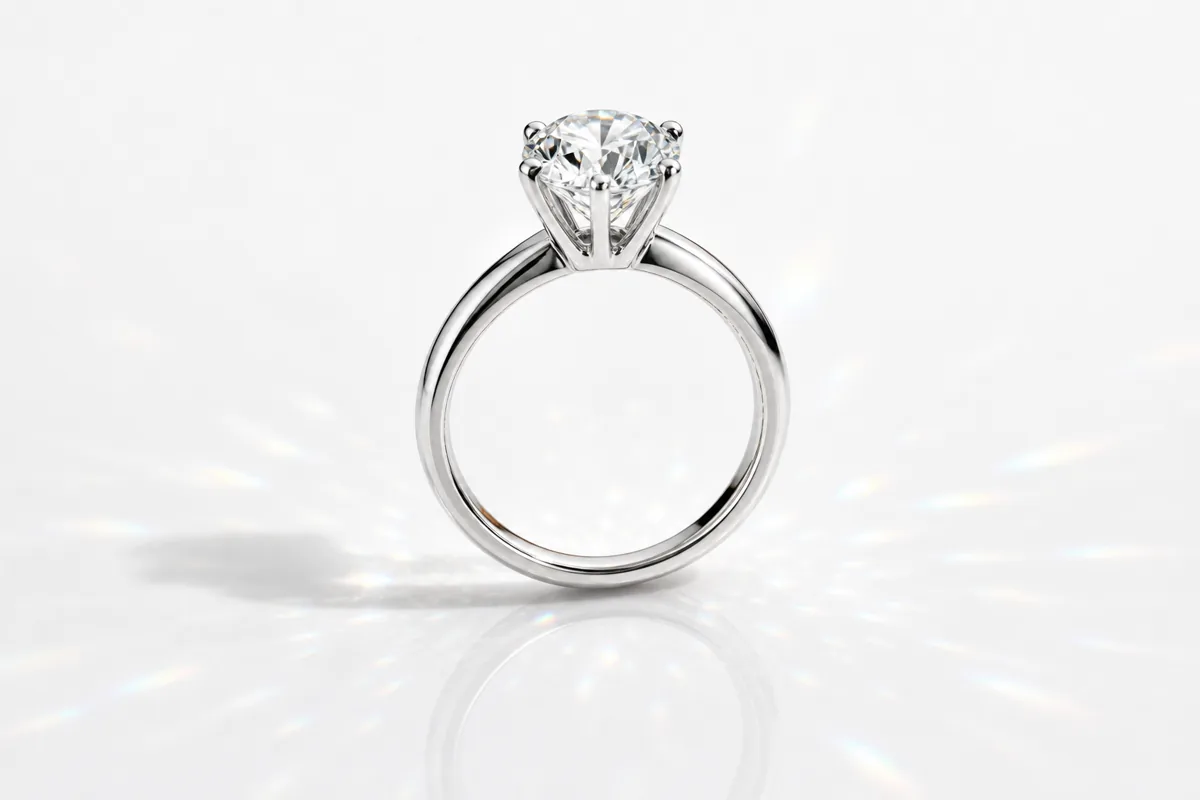
Yellow gold settings complement natural yellow diamonds by blending the stone's colour into the overall warm aesthetic. Rose gold also works. White gold and platinum can provide contrast, making the yellow appear more saturated. Neither choice is wrong, but consider the intended effect.
Buying and selling yellow diamond rings in South Africa
Prodiam in Bedfordview, Johannesburg, handles certified natural diamonds and can assist with inspection, valuation, and transactions involving fancy colour stones. Contact Prodiam. Verifying natural versus treated status is a key step before any purchase or sale.
Decision table
Use the details, not a shortcut.
| Grade | Intensity | Relative rarity | SA buyer note |
|---|---|---|---|
| Fancy Light Yellow | Subtle yellow hue | Moderate | Entry point for fancy colour |
| Fancy Yellow | Clear yellow, pleasing tone | Moderate | Good value in the grade range |
| Fancy Intense Yellow | Strong, bright yellow | Higher | Most popular intensity grade |
| Fancy Vivid Yellow | Maximum saturation | Rare | Premium pricing, high demand |
| Treated Yellow | Varies widely | Common | Much lower price, must be disclosed |
| Lab-grown Yellow | Can reach Vivid | Manufactured | Lower price, requires disclosure |
Direct answers
Common questions
How do I know if a yellow diamond is natural?
A GIA certificate will state whether the colour origin is natural or treated. Treated stones will include a comment noting the colour has been artificially induced. Without a certificate, you cannot determine this reliably by eye.
Are yellow diamonds more expensive than white diamonds?
Natural Fancy Intense and Fancy Vivid yellow diamonds are among the most expensive diamonds per carat globally. However, Fancy Light yellows can be priced comparably to near-colourless whites. Treated and lab-grown yellows are significantly cheaper.
What carat weight is typical for yellow diamond rings in South Africa?
There is no standard. Solitaire rings typically feature centre stones from 0.50ct to 2.00ct and above. Yellow diamonds are often set with white diamond side stones or halos to provide contrast.
Can I sell a yellow diamond ring in South Africa?
Yes. Natural certified fancy yellow diamonds have an active secondary market. A GIA report confirming natural colour origin is essential for achieving a fair price. Prodiam can assess and offer on certified natural yellow stones.
Is yellow gold or white metal better for a yellow diamond?
Neither is objectively better. Yellow gold blends the stone's colour into a warm overall look. White metal makes the yellow colour pop by contrast. Both are common choices depending on personal preference.