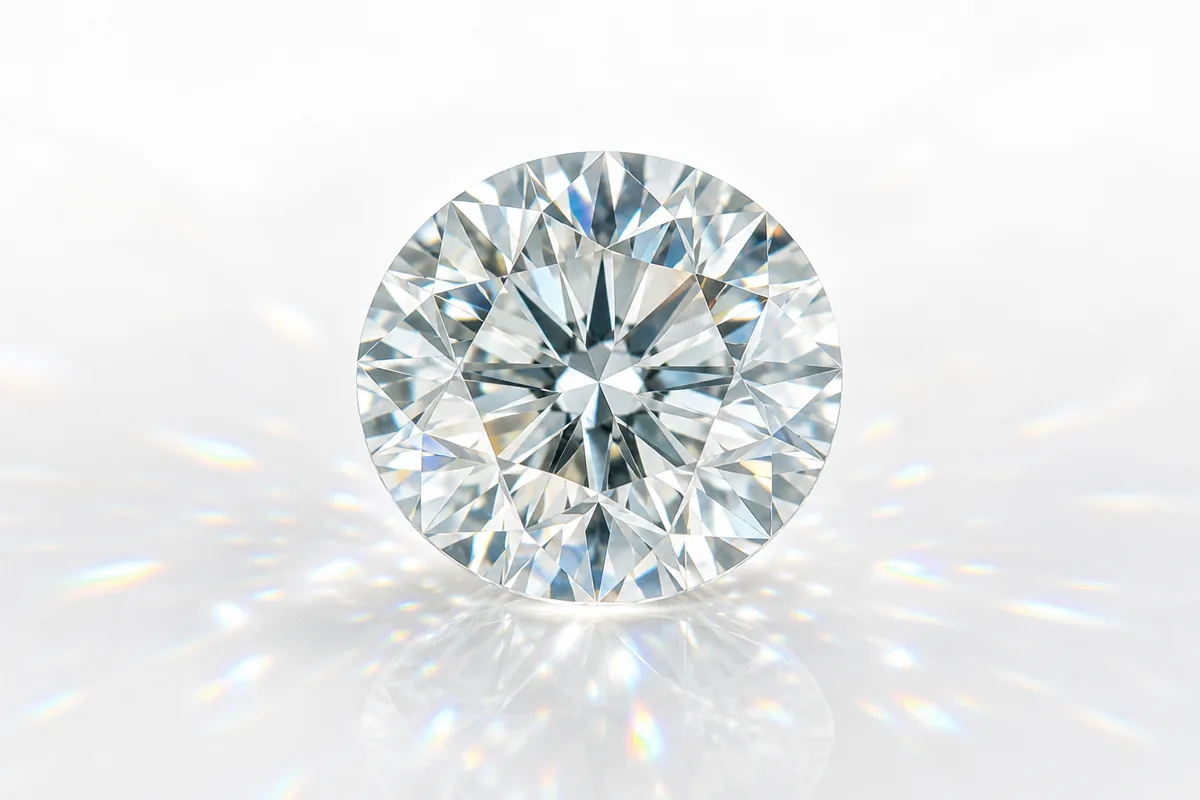
What size works for men's diamond studs
Most men wear between 0.25ct and 1.00ct per ear for a single stud. Sizes below 0.20ct are often too small to read clearly. Sizes above 1.00ct make a strong statement and carry a corresponding price. The right size depends on lobe size, personal style, and budget.
Setting security for daily wear
Bezel settings are the most secure option for active wearers. Four-claw settings show more of the stone but require periodic inspection to confirm prongs are not worn down. Push-back fittings are common but screw-back fittings are more secure if the earring is worn continuously.
Natural vs lab-grown for men's studs
Lab-grown diamonds are chemically identical to natural ones but trade at lower resale values. For a piece worn daily with no intention to sell, lab-grown can represent good value. For buyers who may trade or upgrade the stone later, a certified natural diamond in a recognised grade holds its position in the market better.
Verifying what you are buying
Ask for the grading certificate and confirm the carat, colour, clarity, and fluorescence before purchase. A 0.50ct G VS1 stud from a reputable lab is a specific, verifiable item. Without a certificate, you are buying description rather than documentation. Prodiam in Bedfordview handles certified natural diamonds and can assess stones for men considering a stud purchase or valuation.
Decision table
Use the details, not a shortcut.
| Carat per ear | Visual reading | Certificate to request |
|---|---|---|
| 0.20-0.30ct | Subtle, small | GIA or IGI recommended |
| 0.50ct | Clear, standard | GIA or IGI, colour G-H minimum |
| 0.75ct | Noticeable, balanced | Full cert with cut data |
| 1.00ct | Statement piece | GIA preferred, check fluorescence |
| 1.50ct+ | High visibility | Full GIA cert, check resale market |
Direct answers
Common questions
Is one stud or two more common for men?
One stud in one ear is more traditional. Two matching studs is also common. Both are standard choices. The decision is personal.
What colour grade should a men's diamond stud be?
G or H colour is a practical choice for most men's studs. It reads white without paying the premium for D-F colourless grades. The difference is rarely visible in a single stone at normal viewing distance.
Do men's diamond studs hold value?
Certified natural diamond studs retain value better than uncertified stones. A GIA-certified 0.50ct round brilliant in G/VS1 is a specific asset. An uncertified stone is harder to price on resale.
What backing is most secure for a men's diamond stud?
Screw-back fittings are more secure than push-back fittings for daily wear. They reduce the risk of losing the earring during physical activity.
Can I buy a single diamond stud and add a matching one later?
Yes, but matching colour and clarity exactly later is difficult unless you record the certificate details and find a stone within the same grade ranges. Buying a pair at the same time is simpler.
What is the best metal for a men's diamond stud setting?
White gold and yellow gold are the most common. Platinum is more durable but higher cost. The metal affects the overall look and how the colour of the diamond reads in the setting.