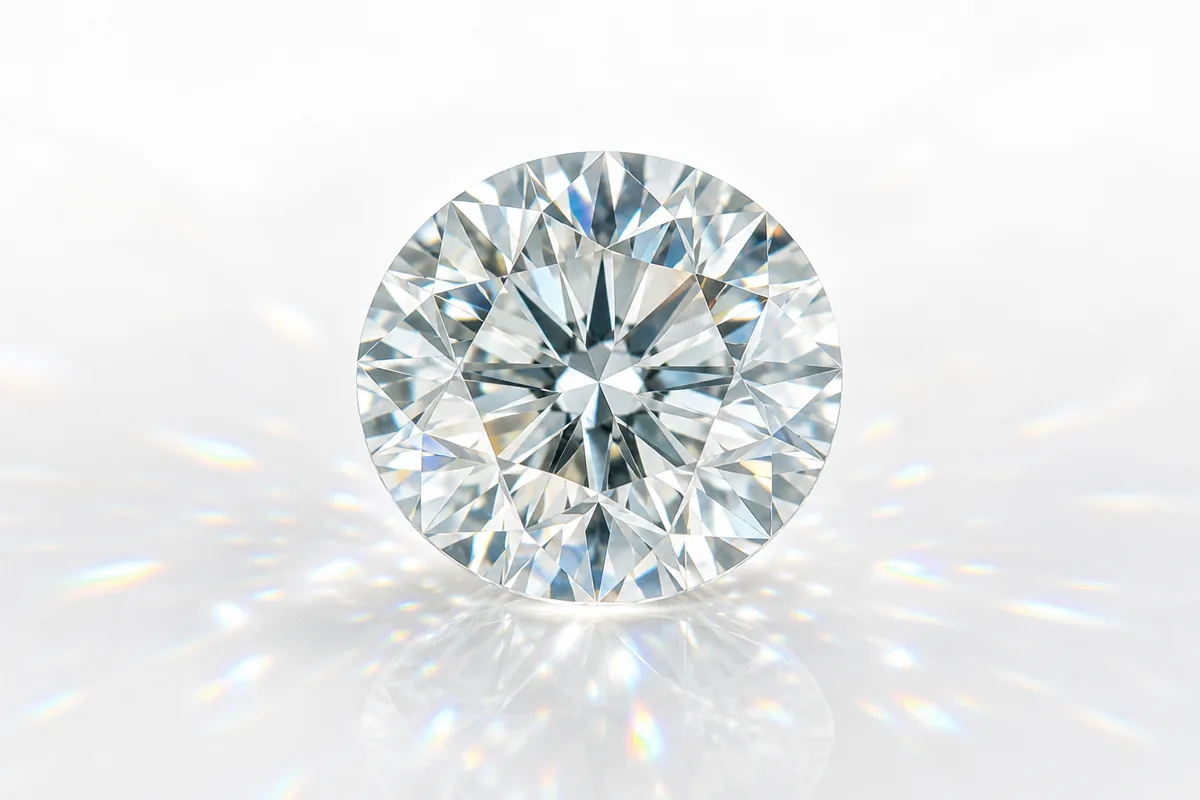
Valuing diamond studs without flattening it to scrap
Diamond jewellery is the category where good value goes to die in bad processes, because the lazy method weighs the metal, ignores the rest, and quotes a melt number. A proper read of diamond studs separates five things: the stones, the metal, the workmanship, the condition, and the story attached to the piece. Each can carry value the others do not.
Reading a piece like an estate specialist
Start with the stamps and marks: fineness numbers, maker's marks, and brand signatures inside bands, on clasps, and on the backs of settings. Signed and branded work can be worth multiples of its materials, which is why scrapping signed pieces is the classic destruction of value. Count and match the stones: pairs and suites earn a premium for matching, and a missing or replaced stone changes both look and number. Check wear honestly: clasps, hinge pins, prong tips, and thinning shanks are where repair costs hide. With inherited boxes, inventory everything before dividing or selling anything, keep original boxes and papers with their pieces, and have the lot seen together: collections are read with more care than loose odds and ends.
How families lose value in a week
The pattern repeats: a hurried scrap-gold sale that swallowed good stones, a signed piece melted for the metal, pairs split between relatives and devalued as singles, papers thrown out with the box, and repairs commissioned before valuation that cost more than they added. None of it comes back. The defence is sequence: inventory, then valuation, then decisions.
When Prodiam is the right next step
Use the checklist to inspect pair matching and condition. 4Cs.co.za is published by 4Cs.co.za: the education is free, the disclosure is permanent, and the specialist conversation is there when a real stone needs one. Bring the certificate or report number, photos in plain light, and any invoices or valuations, and the conversation starts from evidence instead of guesswork.
Decision table
Use the details, not a shortcut.
| Element | Where value hides | Where it gets destroyed |
|---|---|---|
| Stones | Quality centres and matched melee | Priced as if all stones were equal |
| Metal | Fineness and weight floor the price | Floor treated as the ceiling |
| Workmanship | Signed, branded, handmade pieces | Melted at metal value |
| Condition | Honest wear priced predictably | Pre-sale repairs that erase originality |
| Provenance | Boxes, papers, receipts, family records | Separated from the piece |
Direct answers
Common questions
Should I sell jewellery as pieces or as a collection?
Have the collection seen whole first. Specialists price pieces individually but read the collection for pairs, suites, and signed work that a piecemeal sale would miss.
Is scrap value ever the right price?
For damaged, unsigned, generic pieces with small stones, the metal can honestly dominate. The mistake is letting that logic touch signed work or pieces with quality stones.
What do the tiny stamps inside my jewellery mean?
Fineness marks state the metal standard, and maker or brand marks identify the workshop. Together they are the difference between generic metal and identifiable, sometimes collectable, work.
What should I do with inherited jewellery first?
Inventory it with photos, keep boxes and papers paired with pieces, repair nothing yet, and get a specialist read before dividing or selling. Sequence protects families from one-week regrets.